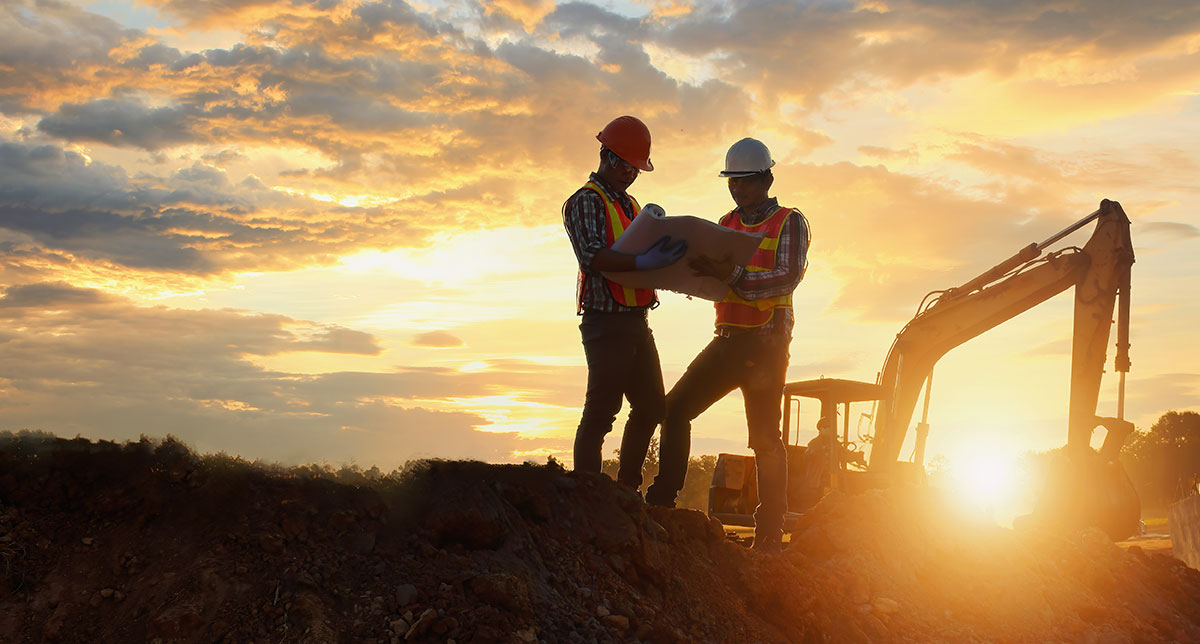
Leadership is often taught in boardrooms and classrooms, but some of the most valuable lessons I have learned came directly from the job site. Growing up in a family business and later building my own construction companies, I quickly realized that leadership is not just about giving orders or managing schedules. It is about understanding people, building trust, and making decisions under pressure. The job site is where theory meets reality, and it provides countless opportunities to learn what it truly takes to lead.
Leading by Example
One of the first lessons I learned on the job site is that leadership is about action, not just words. Employees notice how leaders behave. If you are willing to roll up your sleeves, work alongside the team, and handle difficult tasks, you earn respect. This respect becomes the foundation for effective leadership.
In construction, challenges arise every day. Whether it is an unexpected weather delay or a complex installation, your team looks to you for guidance. Leading by example means staying calm under pressure, maintaining a positive attitude, and demonstrating the work ethic you expect from others. Actions always speak louder than instructions.
Communication Is Key
Clear communication is critical on a job site. Misunderstandings can lead to mistakes, wasted time, and safety risks. I have learned that leadership requires ensuring that every team member knows their role, understands expectations, and feels comfortable asking questions.
Active listening is part of effective communication. It is important to hear feedback from employees, subcontractors, and clients. When people feel heard, they are more engaged and more willing to contribute ideas. Communication is not just about giving directions—it is about creating an environment where everyone feels connected and informed.
Building Trust
Trust is the cornerstone of any successful team. On the job site, trust is earned by being consistent, honest, and fair. I have learned that employees perform their best when they know that leadership has their back, values their input, and treats everyone equitably.
Trust also extends to clients and partners. Delivering on promises, meeting deadlines, and maintaining transparency builds a reputation that benefits the company in the long run. Leadership is about more than managing tasks; it is about cultivating relationships built on reliability and integrity.
Problem Solving Under Pressure
The construction field is unpredictable. Weather delays, supply shortages, and unforeseen challenges are part of the job. Leadership on the job site requires quick thinking, adaptability, and creative problem solving.
I have learned that it is important to remain calm and assess the situation objectively. Hasty decisions can make problems worse, but thoughtful solutions can turn challenges into opportunities. Effective leaders involve the team in problem solving, tapping into their experience and insights. Collaborative problem solving not only produces better outcomes but also strengthens the team.
Empowering Your Team
Leadership is not about doing everything yourself. On the job site, empowering your team to make decisions and take ownership of their work is critical. I have learned that employees perform best when they feel trusted and valued.
Delegation is an essential leadership skill. By giving team members responsibility and autonomy, you allow them to develop their skills and confidence. Empowered employees are more motivated, innovative, and invested in the success of the project and the company.
Safety and Accountability
Construction work involves risks, so prioritizing safety is a key aspect of leadership. Leaders set the standard for safe practices and accountability. I have learned that modeling safe behavior and holding everyone accountable for following protocols protects the team and the company.
Accountability also means taking responsibility when mistakes happen. Leaders who own up to errors and work to correct them build credibility and encourage a culture of honesty. Employees respect leaders who demonstrate integrity and a commitment to doing things the right way.
Patience and Perseverance
Leadership on the job site requires patience. Projects take time, challenges arise, and progress can be slow. I have learned that leaders must persevere, maintaining focus on long-term goals while managing day-to-day tasks.
Patience also applies to developing people. Mentoring employees, teaching new skills, and guiding them through challenges takes time and dedication. The investment in people pays off in stronger teams, better performance, and greater loyalty.
Learning from Every Experience
Finally, one of the most valuable lessons from the field is that leadership is a continuous learning process. Every project, every client interaction, and every challenge presents an opportunity to grow.
I have learned to reflect on successes and failures alike, taking lessons from each experience and applying them to future projects. Great leaders never stop learning. They are open to feedback, willing to adapt, and committed to improvement.
Final Thoughts
The job site is more than a place to build structures—it is a classroom for leadership. Leading on the field teaches lessons that no book or seminar can replicate. From leading by example to building trust, communicating effectively, solving problems, empowering teams, prioritizing safety, and practicing patience, the skills learned on the job site are essential for any business leader.
Leadership is not about position or title. It is about influence, integrity, and the ability to guide people toward a common goal. The insights I have gained from the field have shaped not only how I run my construction companies but also how I approach every aspect of life and business. For anyone in construction or any industry, the job site is an invaluable teacher, and the lessons learned there last a lifetime.